
Essential Supplies Every Tracheostomy Patient Needs at Home
Key Takeaways
- Backup is Critical: Always keep a backup tracheostomy tube of the same size—and one size smaller—in case of an emergency displacement.
- Humidification Matters: Heat and Moisture Exchangers (HMEs) are vital for keeping secretions thin and protecting your lungs from dry air.
- Insurance Readiness: Understanding which tracheostomy supplies covered by medicare can significantly reduce your out-of-pocket costs.
- Clear Airways: A reliable trach suction machine is the most important tool for preventing airway obstructions caused by mucus.
Transitioning from the hospital to home care requires having the right equipment on hand to ensure safety and comfort. Managing a stoma and airway is a detailed process, but having a fully stocked kit of trach supplies makes the daily routine much more manageable.
Below is a checklist of the essential equipment and tracheostomy supplies every patient should have ready for home use.
The Essential Home Supply Checklist
To maintain a healthy airway, your home should be equipped with both daily maintenance items and emergency backup gear.
1 The Tracheostomy Tube and Ties
You should always have sterile, replacement tubes on hand. Most patients also need comfortable, moisture-wicking neck ties to hold the tube securely in place. Loose or soiled ties can lead to skin irritation or accidental decannulation.
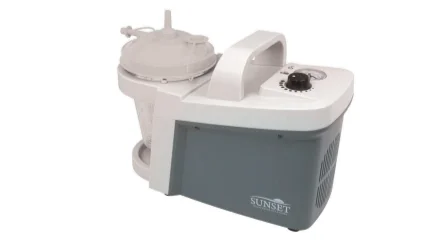
2 Tracheostomy Suction Machine
If you are unable to clear secretions by coughing, a tracheostomy suction machine is a medical necessity. This device uses a sterile catheter to gently remove mucus from the tube. It is highly recommended to have a portable trach suction machine with battery backup so you can travel safely or stay prepared during a power outage.
3. Cleaning and Stoma Care
Properly cleaning a tracheostomy site is the best defense against infection. Your daily cleaning kit should include:
- Sterile saline and hydrogen peroxide (if recommended by your doctor).
- Sterile gauze pads and cotton-tipped applicators.
- Pre-cut “drain sponges” to fit around the tube and absorb moisture.
- A small brush for cleaning the inner cannula.
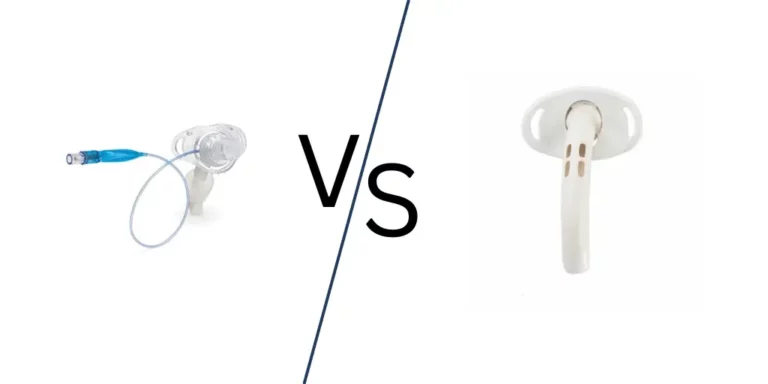
When selecting the right equipment, it’s vital to understand the functional differences between cuffed vs. uncuffed tracheostomy tubes, as each serves a specific purpose in patient recovery and airway management.
Best Practices for Cleaning a Tracheostomy
Daily hygiene is non-negotiable. When cleaning a tracheostomy, always wash your hands thoroughly first. You should clean the skin around the stoma at least twice a day to prevent redness and breakdown. If you use a reusable inner cannula, it must be cleaned and dried according to the manufacturer’s instructions to prevent bacteria buildup.
Medicare Coverage and Finding Supplies
When searching for tracheostomy supplies near me, it is important to choose a provider like UniversalMed Supply that understands the complexities of insurance.
Many patients wonder about the cost, but there is a wide range of tracheostomy supplies covered by medicare Part B. This typically includes:
- Replacement tracheostomy tubes and inner cannulas.
- Suction catheters and the tracheostomy suction machine itself.
- Trach ties, brushes, and sterile dressings.
To qualify for coverage, your doctor must provide a prescription and documentation stating that the supplies are medically necessary for your home care. Working with a specialized medical supply company ensures that your orders are billed correctly and delivered to your door on time.
Our team specializes in helping patients navigate their insurance to get the equipment they need. Reach out today to see if you qualify for medicare-covered trach supplies and suction equipment!
FAQ: Essential Tracheostomy Supplies at Home
Q1: What are the most essential tracheostomy supplies I should have at home?
A: Your home should be stocked with sterile replacement tubes, a tracheostomy suction machine, cleaning supplies (like sterile saline and gauze), and Heat and Moisture Exchangers (HMEs) for humidification.
Q2: Why do I need a backup tracheostomy tube?
A: Backup is critical for safety. You should always keep a backup tube of the same size, as well as one size smaller, in case of an emergency displacement or accidental decannulation.
Q3: How does a tracheostomy suction machine help?
A: A suction machine is the most important tool for preventing airway obstructions. It uses a sterile catheter to gently remove mucus if you are unable to clear secretions by coughing. Having a portable version with a battery backup is recommended for travel or power outages.
Q4: What are the best practices for cleaning a tracheostomy?
A: When cleaning a tracheostomy, you must wash your hands thoroughly first. The skin around the stoma should be cleaned at least twice a day with sterile gauze and saline to prevent infection, redness, and skin breakdown.
Q5: Are tracheostomy supplies covered by Medicare?
A: Yes. There is a wide range of tracheostomy supplies covered by Medicare Part B, including replacement tubes, inner cannulas, suction machines, catheters, and sterile dressings, provided your doctor documents them as medically necessary.